
Understanding How Dance Competitions Organization Operate

Updated: Jan 27
Stepping into the world of dance competitions can feel like entering a vibrant, fast-paced universe. You might wonder, How do these events actually work? What goes on behind the scenes to make the magic happen? Whether you're a dancer, a studio owner, or a supportive family member, understanding the nuts and bolts of dance competitions organization can make your experience smoother and more enjoyable. Let’s break it down together.
The Basics of Dance Competitions Organization
Dance competitions organization is a complex but fascinating process. It involves coordinating everything from registration to awards, ensuring that dancers have a positive and stress-free experience. At its core, a well-run competition balances artistry, fairness, and fun.
Here’s a quick overview of what typically happens:
Registration and Entry: Dancers or studios submit their entries, often online, specifying categories, age groups, and dance styles.
Scheduling: Organizers create a detailed schedule, grouping performances by category and age to keep the event flowing smoothly.
Judging: Experienced judges evaluate performances based on technique, creativity, and stage presence.
Awards and Feedback: Dancers receive scores, constructive feedback, and trophies or medals.
Each step requires careful planning and clear communication. For example, studios often receive detailed timelines and rules well in advance, so dancers can prepare without last-minute surprises.

How Dance Competitions Organization Ensures Fairness and Growth
You might ask, How do competitions stay fair and encourage growth? The answer lies in the structure and philosophy behind the event.
Judging Criteria: Most competitions use a standardized scoring system. Judges look for:
Technical skill (precision, control)
Artistic expression (emotion, storytelling)
Choreography (originality, complexity)
Overall performance (energy, connection with the audience)
This multi-faceted approach helps dancers grow by highlighting strengths and areas for improvement.
Age and Skill Divisions: Competitions separate dancers into age groups and skill levels (beginner, intermediate, advanced). This ensures everyone competes on a level playing field.
Feedback: Constructive feedback is a cornerstone. Instead of just scores, dancers often receive written or verbal comments. This guidance fuels improvement and confidence.
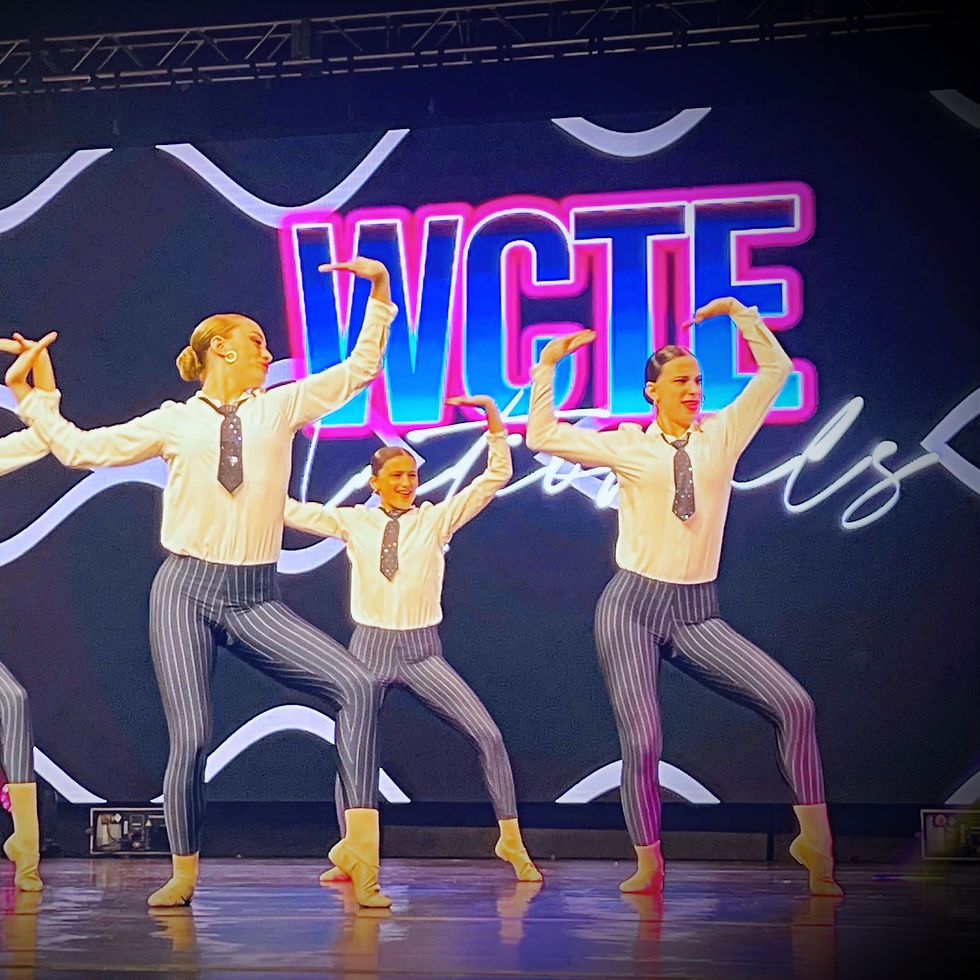
Positive Environment: Leading organizations, like World-Class Talent Experience, Inc, set the bar high by creating a supportive atmosphere. They focus on reducing stress and encouraging artistry, so dancers feel inspired rather than pressured.
If you’re curious about a specific event, the WCTE dance competition is a great example of this philosophy in action.
What is the biggest dance competition in the US?
When it comes to size and prestige, the US hosts several major dance competitions that attract thousands of dancers annually. The biggest often depends on the style and region, but a few names stand out:
The Dance Awards: Known as the "Oscars of Dance," this event draws elite dancers from across the country. It features multiple categories and offers scholarships and professional opportunities.
Showstopper American Dance Championships: This competition tours extensively and is famous for its large-scale production and diverse categories.
Starpower National Talent Competition: With a reputation for high energy and excellent organization, Starpower is a favorite among studios.
These competitions are not just about winning trophies; they offer workshops, networking, and exposure to industry professionals. Participating in such events can be a game-changer for dancers aiming to take their craft to the next level.

Tips for Navigating Dance Competitions Like a Pro
Ready to dive in? Here are some practical tips to help you make the most of any dance competition:
Read the Rules Carefully: Every competition has its own set of guidelines. Pay attention to costume rules, music length, and age divisions.
Plan Your Schedule: Competitions can be long days. Know your performance times and plan warm-ups and meals accordingly.
Prepare Your Music and Costumes Early: Avoid last-minute stress by having everything ready well before the event.
Encourage Positive Mindset: Remind yourself or your dancers that feedback is a tool for growth, not criticism.
Network and Learn: Use downtime to connect with other dancers, teachers, and judges. These relationships can open doors.
Stay Hydrated and Rested: Physical and mental stamina are key to performing your best.
By following these steps, you’ll not only survive the competition day but thrive in it.
The Role of Dance Studios in Competition Success
Dance studios play a crucial role in preparing dancers for competitions. They are the training grounds where skills are honed and confidence is built.
Studios often:
Select Appropriate Competitions: Not every event suits every dancer. Studios help choose competitions that match their students’ goals and skill levels.
Choreograph and Rehearse: Studio instructors create routines tailored to the competition’s style and rules.
Provide Emotional Support: Competitions can be nerve-wracking. Studios foster a team spirit that helps dancers stay motivated.
Manage Logistics: From registration to travel arrangements, studios handle many behind-the-scenes details.
If you’re part of a studio, collaborating closely with your instructors can make your competition journey smoother and more rewarding.
Looking Ahead: The Future of Dance Competitions Organization
The dance competition scene is evolving. Technology, inclusivity, and wellness are shaping the future.
Virtual Competitions: Online platforms allow dancers to compete from anywhere, expanding access and flexibility.
Diversity and Inclusion: More competitions are embracing diverse dance styles and cultural expressions.
Wellness Focus: Mental health resources and stress reduction techniques are becoming standard parts of events.
Organizations like World-Class Talent Experience, Inc continue to innovate, aiming to inspire growth and artistry while keeping the experience positive and accessible.
So, whether you’re stepping onto the stage for the first time or are a seasoned competitor, understanding how dance competitions operate empowers you to shine brighter and enjoy every moment.
Ready to take your dance journey to the next level? Dive into the world of competitions with confidence and excitement!
Happy dancing and good luck out there!

Comments